How Does a Dermatologist Manage Widespread Skin Disorders?
At Dynamic Clinic, patients often seek expert care for complex skin conditions. One common question we encounter is, “How Does a Dermatologist Manage Widespread Skin Disorders?” Whether it’s persistent eczema, psoriasis, or severe acne, understanding the dermatologist’s approach is essential for effective treatment. For anyone searching for a Dermatologist in Silicon Oasis, knowing the comprehensive strategies used in managing widespread skin conditions can guide informed decisions and ensure better outcomes.Dermatologists employ a structured approach to treat extensive skin disorders, focusing on long-term relief, skin health, and preventing complications. Here’s how specialists approach this process.
Comprehensive Assessment: The First Step
Detailed Patient History
Before prescribing treatments, dermatologists perform a thorough evaluation of the patient’s medical history. This includes:
- Onset and progression of the skin condition
- Previous treatments and their effectiveness
- Family history of skin disorders
- Lifestyle factors, including diet, stress, and environmental exposures
Physical Examination
A meticulous examination helps determine the severity and extent of the disorder. Dermatologists may:
- Assess affected areas using visual inspection
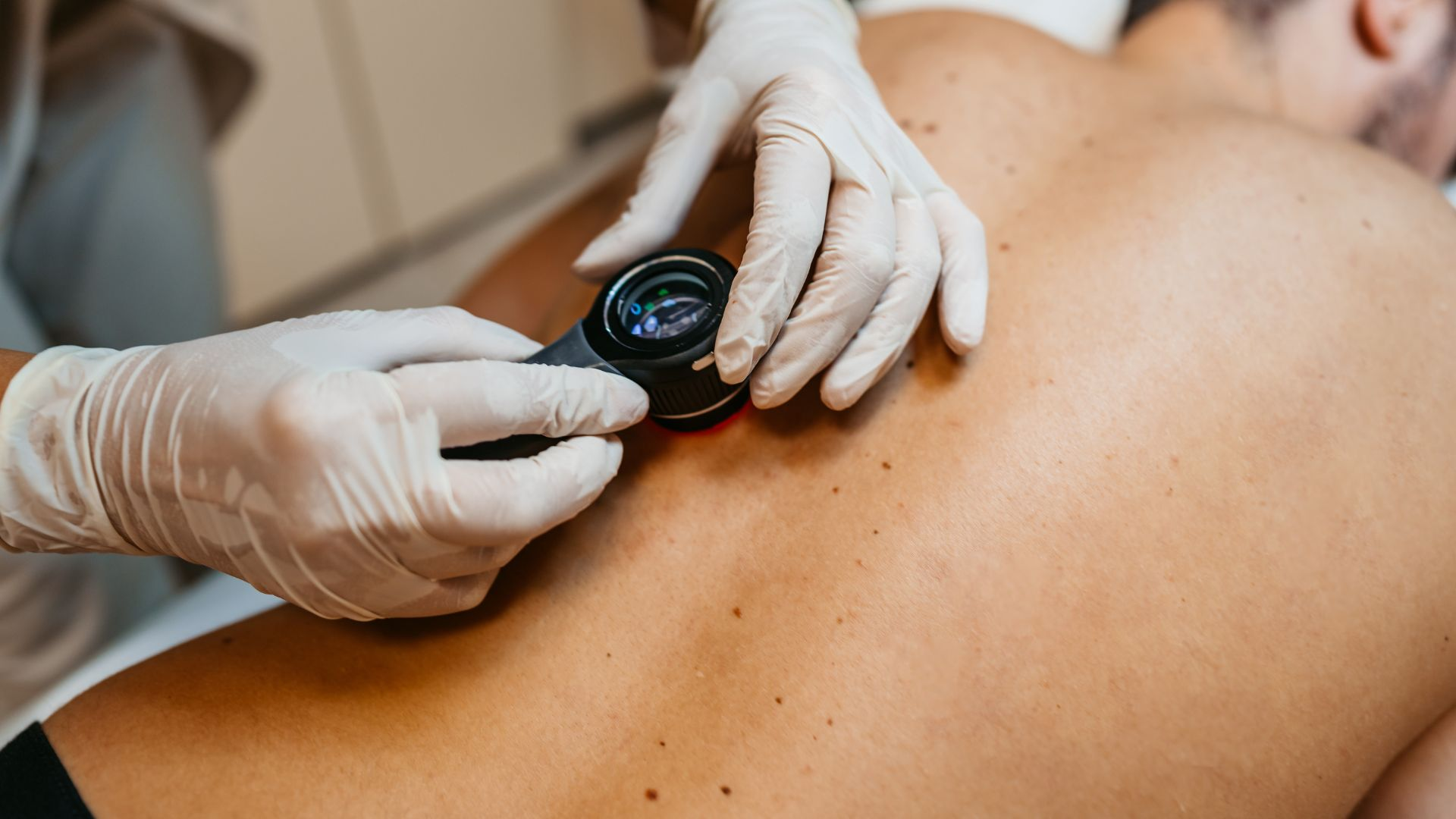
- Use dermatoscopes for a closer look at lesions
- Take photographs to monitor changes over time
Accurate Diagnosis: Key to Effective Treatment
Laboratory Tests
Some widespread skin disorders require diagnostic confirmation through:
- Blood tests to identify autoimmune triggers or infections
- Skin biopsies to examine tissue samples
- Allergy tests to detect potential irritants
Differential Diagnosis
Distinguishing between similar-looking conditions is critical. Dermatologists systematically rule out:
- Fungal infections
- Bacterial skin infections
- Drug reactions or systemic illnesses
Individualized Treatment Plans
Topical Therapies
For many skin conditions, topical treatments remain a cornerstone of care. These include:
- Corticosteroid creams to reduce inflammation
- Moisturizers and emollients for dry or sensitive skin
- Medicated ointments for specific conditions such as psoriasis or eczema
Oral and Systemic Medications
Widespread skin disorders often require systemic approaches, including:
- Anti-inflammatory medications to control immune responses
- Antibiotics for secondary infections
- Biologic therapies for severe cases of psoriasis or atopic dermatitis
Lifestyle Modifications
A holistic treatment plan often involves lifestyle adjustments, such as:
- Stress management techniques like meditation or yoga
- Balanced diet rich in anti-inflammatory foods
- Avoidance of triggers like harsh chemicals or allergens
Advanced Dermatological Procedures
Light and Laser Therapy
Some conditions respond well to non-invasive treatments:
- UVB phototherapy for psoriasis and vitiligo
- Laser therapy to reduce scarring and improve skin texture
Minimally Invasive Procedures
For certain inflammatory or chronic conditions, dermatologists may use:
- Corticosteroid injections into localized lesions
- Chemical peels to improve skin turnover and reduce flare-ups
Monitoring and Follow-Up Care
Regular Check-Ups
Long-term management requires consistent monitoring to:
- Track treatment effectiveness
- Adjust medications as needed
- Identify early signs of flare-ups
Patient Education
Empowering patients with knowledge is essential. Dermatologists guide patients on:
- Proper skincare routines
- Recognizing triggers for flare-ups
- When to seek immediate care
Building Trust and Expertise
Managing widespread skin disorders demands more than just prescription medication. The expertise of a dermatologist combines clinical knowledge, experience, and patient-centered care. Clinics like Dynamic Clinic prioritize evidence-based approaches, ensuring that patients in Dubai receive safe and effective treatments tailored to their specific needs.For those seeking a Dermatologist in Silicon Oasis, understanding these steps can help patients feel more confident in their treatment journey. By addressing both the physical and emotional aspects of widespread skin conditions, dermatologists aim to restore not just the skin, but also the patient’s quality of life.
Conclusion
Widespread skin disorders can be challenging, but with a systematic approach, they are manageable. From comprehensive assessment and precise diagnosis to individualized treatment plans and ongoing support, dermatologists provide holistic care tailored to each patient. Clinics like Dynamic Clinic in Dubai exemplify the blend of expertise, advanced technology, and patient-focused care that defines modern dermatology. Understanding “How Does a Dermatologist Manage Widespread Skin Disorders?” empowers patients to take proactive steps toward healthier, clearer skin.