Does Tooth Anatomy Affect Clear Aligners Treatment Efficacy?
When considering orthodontic solutions, one key question arises: does tooth anatomy affect Clear Aligners treatment efficacy? Understanding how the shape, size, and structure of your teeth can influence results is crucial for anyone exploring dental alignment options. At Dynamic Clinic in Dubai, patients are thoroughly evaluated before starting Clear Aligners in Dubai, ensuring a personalized approach tailored to each individual’s dental anatomy.
Understanding Tooth Anatomy
Tooth anatomy includes several aspects that play a role in orthodontic treatment success:
- Crown Shape and Size: The visible part of the tooth can influence how effectively an aligner fits and applies pressure.
- Root Position and Length: Teeth with longer or curved roots may respond differently to movement.
- Enamel Thickness: Thicker enamel can affect the bonding of attachments used with aligners.
- Tooth Angulation: Teeth that are severely rotated or tilted may require more precise aligner adjustments.
A thorough understanding of these factors allows orthodontists to predict treatment outcomes and design aligners that achieve optimal results.
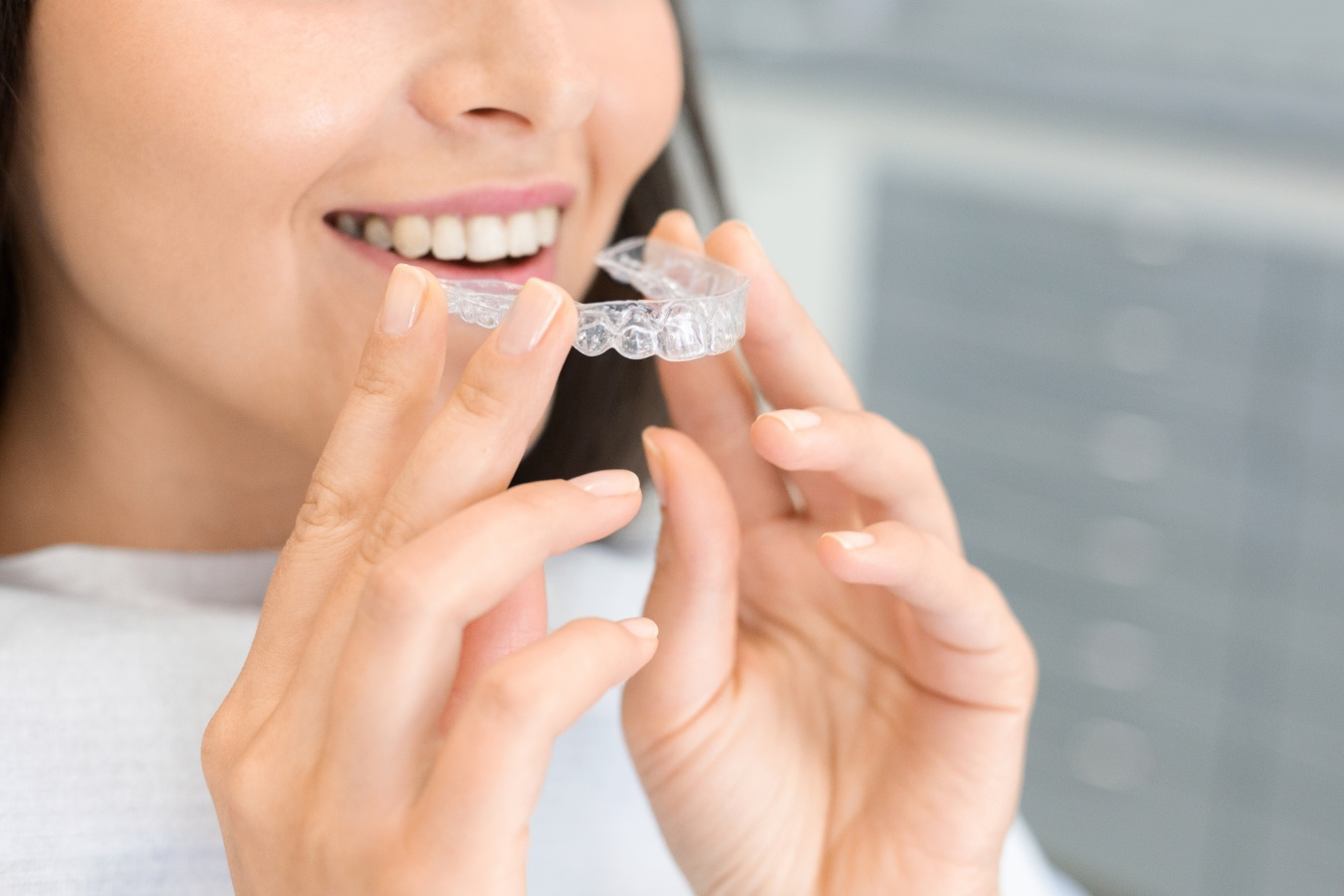
How Tooth Anatomy Influences Clear Aligners
Clear aligners rely on precise forces to shift teeth gradually. Variations in tooth anatomy can impact this process in several ways:
- Complex Movements: Teeth with unusual shapes or rotations may require additional aligner stages.
- Attachment Placement: Small or irregular teeth might limit where attachments are placed, affecting movement efficiency.
- Spacing and Crowding: Crowded teeth or large gaps can challenge aligner effectiveness if not carefully managed.
- Interproximal Contacts: Tight contacts between teeth can resist movement, requiring additional refinements during treatment.
By analyzing these anatomical factors, orthodontists can create a treatment plan that anticipates challenges and maximizes aligner performance.
Assessing Tooth Anatomy Before Treatment
Before starting Clear Aligners in Dubai, patients typically undergo a detailed assessment to evaluate tooth anatomy:
- Digital Scans: High-resolution 3D scans capture the exact size, shape, and position of each tooth.
- X-Rays: Radiographs help determine root length, angulation, and bone support.
- Photographic Records: Photos document tooth positioning and occlusion for planning purposes.
- Bite Analysis: Examining how upper and lower teeth meet ensures that aligner forces are distributed evenly.
This evaluation is essential for identifying potential complications and planning a smooth treatment course.
Strategies to Overcome Anatomical Challenges
Even with complex tooth anatomy, several strategies can enhance clear aligner efficacy:
- Customized Attachments: Designed to improve force application on tricky teeth.
- Interproximal Reduction (IPR): Slight enamel reshaping creates space for proper alignment.
- Refinement Stages: Additional sets of aligners help achieve final positioning accurately.
- Monitoring Progress: Regular check-ups ensure adjustments are made as needed.
Implementing these strategies ensures that aligner treatment remains effective, even when teeth present unique challenges.
Importance of Professional Guidance
Tooth anatomy is a factor that underscores the importance of professional oversight during clear aligner treatment. Attempting self-alignment or skipping consultations can lead to prolonged treatment times, ineffective results, or even dental damage. A trained orthodontist evaluates both anatomical and functional factors, ensuring aligners are precisely designed for each individual’s needs.
Conclusion
Tooth anatomy significantly affects the efficacy of Clear Aligners in Dubai, from crown shape and root structure to spacing and angulation. By conducting thorough assessments, leveraging digital planning, and applying customized strategies, orthodontists can achieve predictable and effective results. Understanding these nuances helps patients make informed decisions and ensures that their treatment journey is both safe and successful.